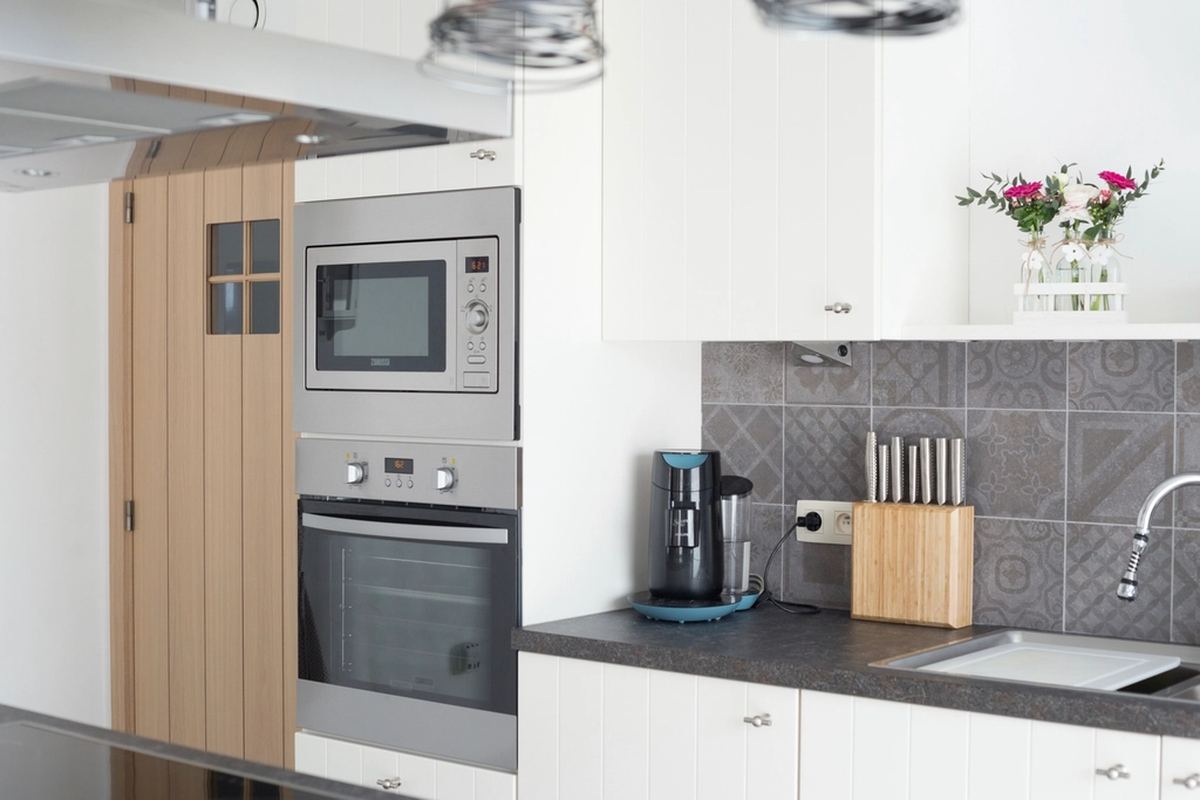
This guide explains a typical kitchen renovation and the official rules that apply on the Central Coast. It is not legal advice. Follow the links, and ask the renovator to confirm what's needed for your home.
1. Brief and budget
Decide what's wrong with the current kitchen, what you want to keep, and your budget, including a contingency. Collect photos of kitchens you like.
2. Measure, design and quote
The renovator measures up, talks through layout and materials, and prepares a design and a written quote. Check what's included: demolition, plumbing, electrical, splashback, flooring, painting, appliances and rubbish removal.
3. Approvals and contract
In NSW, kitchen, bathroom and laundry renovation is its own licence category. It covers installing, refurbishing and repairing these rooms, but not work on load-bearing parts of the house such as walls, floors or beams, which needs a builder. Specialist work such as plumbing, electrical and waterproofing must be done by, or subcontracted to, a contractor licensed for that work.
Source: NSW Government, Kitchen, bathroom and laundry renovation work.
In NSW, a contractor needs a licence for residential building or trade work valued at more than $5,000 (labour and materials, including GST), and there must be a written contract above that amount. Jobs from $5,000 to $20,000 use a small-jobs contract, and jobs over $20,000 a large-jobs contract. For work over $20,000, the contractor must take out Home Building Compensation cover and give you the certificate before taking a deposit or starting work. You can check a licence on the NSW Government licence check.
Sources: NSW Government, General building work; NSW Government, Insurance cover for building work; NSW Government, Contracts for residential building work.
4. Demolition and rough-in
The old kitchen comes out, then the plumber and electrician run new services before walls are patched. Homes built before about 1990 may contain asbestos, which must be handled safely by people qualified to do it.
5. Installation and finishing
Cabinets, benchtops, splashback, appliances, tapware and lighting go in, followed by final connections and finishing. Expect to be without a working kitchen for part of the job, so ask for a timeline.
6. Handover
Walk through the finished kitchen with the renovator, note any defects in writing, and keep the compliance certificates for plumbing and electrical work and any warranty documents.
Official pages checked 23 November 2026. Rules can change; check the linked sources before relying on this summary.
See the main kitchen renovations Central Coast page for how the quote service works, or request a free quote.